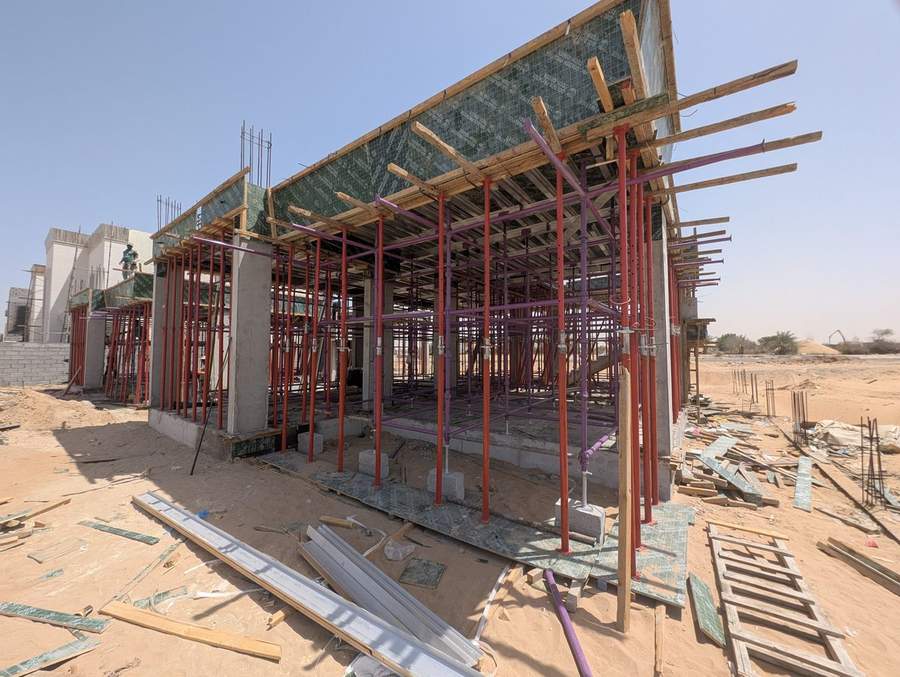
The headline rate is never the whole story. When you rent scaffolding or formwork in the UAE, the day-rate or monthly rate quoted on the first page of an offer is only one line in a contract that can run to dozens of pages. The clauses that actually decide what you pay are buried in the schedules — minimum hire periods, reconditioning charges, what happens to a piece that comes back bent, who pays for the truck. This guide walks through the terms that matter most, so you can compare offers properly and avoid the surprises that show up on the final invoice.
Rental Is Charged Per Piece, Per Period
Most UAE suppliers price rental per component, per day or per month — a cuplock standard at a few dirhams a month, a ledger a little less, jacks and U-heads cheaper still. That's straightforward enough. The detail to check is how the period is counted. Rental almost always runs from the day the material leaves the supplier's yard to the day it is returned and checked in — not the days you actually use it on site. Transport time, idle time, and the gap between dismantling and return all count.
Watch for a minimum rental period. A common term is a 30-day floor: even if you return everything after a week, you are billed for a full month. If your job is short, that single clause can double your effective rate, so it belongs in any like-for-like comparison between suppliers.
The Reconditioning Fee
This is the charge contractors most often miss. On return, rented material is inspected and a reconditioning fee is typically applied — frequently expressed as a percentage of the item's sale-list value — to cover cleaning, dent removal, minor repairs and re-coating. It is charged regardless of how carefully you handled the equipment, because some wear is assumed on every hire.
What the reconditioning fee usually does not cover is the bigger stuff: heavy concrete residue that should have been cleaned on site, plywood replacement, or reshaping bent profiles. Those are billed separately. The practical lesson is that on-site cleaning before return is not optional housekeeping — it directly lowers your bill by keeping material inside the standard reconditioning scope instead of tipping into chargeable repairs.
Lost or Damaged Material
If a piece doesn't come back, or comes back beyond repair, you pay for it — usually at the current sale-list price, sometimes with a modest discount applied. Two things follow from this. First, the value of missing material is calculated at retail, not at the rental rate, so a handful of lost standards across a long job can cost far more than the rental ever did. Second, an accurate return count matters: insist on a joint inspection or a written return report so that disputes over what was actually sent back are settled on paper, not on memory.
Security Deposits and Payment Terms
Expect to lodge a security before any rental material is delivered — commonly around a fifth of the sale-list value of the equipment on hire, held as a bank guarantee or an undated cheque. On the purchase side, a split of an advance payment with the balance against a letter of credit is typical, with charges payable within 30 days of invoice. Late payment usually attracts interest, and suppliers often reserve the right to withhold further deliveries while an account is overdue. None of this is unusual — but it ties up working capital, and that cost is real even though it never appears as a line item on the rate sheet.
Who Pays for Transport, Assembly and Engineering?
Read the scope carefully, because plenty sits outside the rental rate:
- Transport — delivery and return haulage are usually the customer's cost, and express or partial loads attract surcharges. Detention fees can apply if a truck waits too long on site.
- Assembly and dismantling — unless you've bought an on-site service, erecting, striking, cleaning and bundling the material for return is on you.
- Consumables — plywood, tie rods, screws, release agent and similar items are typically supplied by the site, not included in the hire.
- Engineering and site visits — shop drawings, structural changes and instructor call-outs are often charged by the hour or per visit once any free allowance is used up.
This last point is where suppliers differ most, and it's worth asking about directly. Engineering charged separately at an hourly rate can add up quickly on a job that needs several design revisions.
A Short Checklist Before You Sign
Before committing to a rental offer, get clear answers on each of these:
- Is there a minimum rental period, and does the clock start at dispatch or at delivery to site?
- What is the reconditioning fee, and exactly what does it include and exclude?
- How is lost or damaged material priced — and is a joint return inspection offered?
- How much security is required, and in what form?
- Who pays for transport both ways, and are there detention or partial-load charges?
- Is engineering design included, or billed separately?
- Are assembly, dismantling and consumables in scope or extra?
Compare total rental cost against buying your own set, and find your break-even point.
How SCAFFWORKS Keeps It Simple
We manufacture cuplock standards and ledgers from EN 10219-certified steel in Umm Al Quwain, and we rent and sell directly — so there's no trader markup and no layered fine print. Engineering design for your slab shoring or access scaffold is part of the service, not an hourly add-on, and we'll tell you up front how rental periods, returns and transport work for your specific job. If buying makes more sense than renting, we'll say so and price it both ways. The goal is a quote you can actually compare, with no surprises on the closing invoice.
Need a Clear Scaffolding Quote?
SCAFFWORKS manufactures and rents cuplock scaffolding, formwork, and shoring across the UAE — factory-direct, with engineering included and no hidden terms.
Request a Quote WhatsApp UsRenting in Dubai, Sharjah, Ajman or Ras Al Khaimah? See the local rental pages for areas, delivery and FAQs.